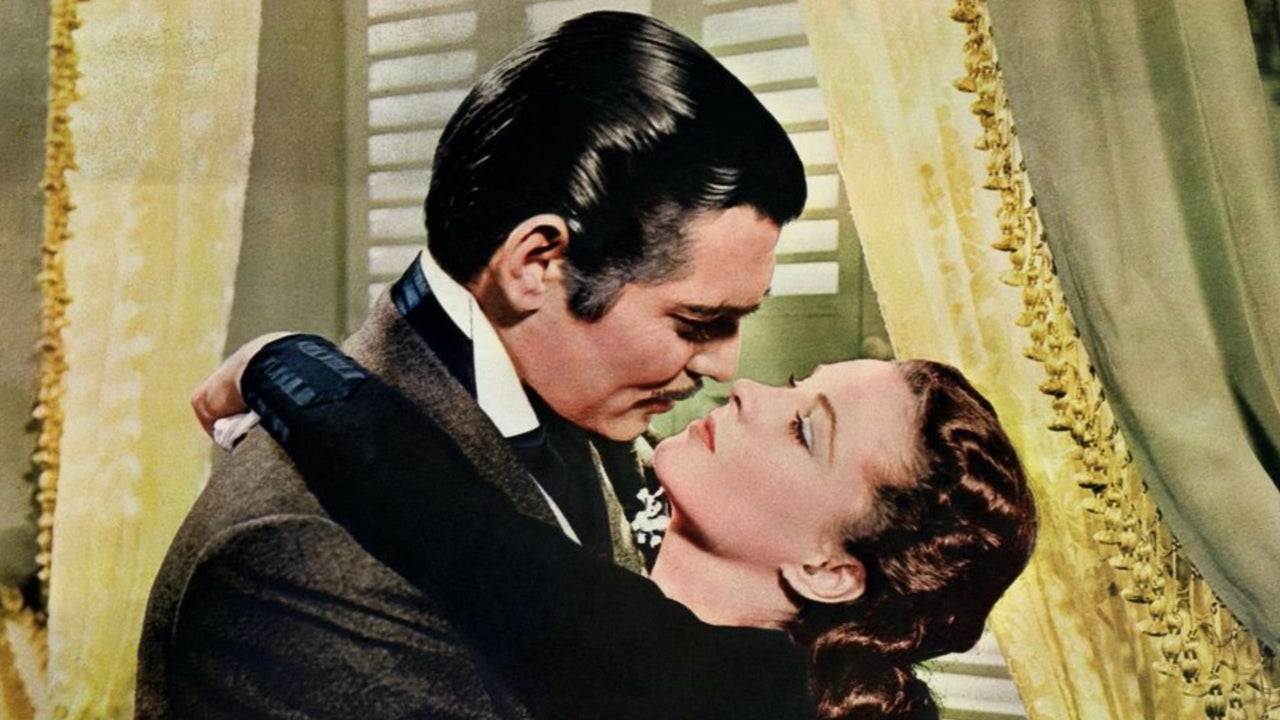
Nearly nine decades after its initial theatrical release, Victor Fleming’s 1939 adaptation of Margaret Mitchell’s novel is returning to home media in a meticulously crafted 4K UHD release. Produced by David O. Selznick, the film remains one of the most commercially successful motion pictures in history when adjusted for inflation, capturing an era of grand cinematic scale that continues to fascinate and challenge modern audiences.
Preserving a Cultural Touchstone
The new release from Warner Bros. Home Entertainment includes specialized retrospective features that document the extensive work required to bring the classic print up to modern visual and auditory standards. Among these is a dedicated featurette exploring the preservation process undertaken to ensure that the film's vibrant Technicolor photography and intricate sound design survive intact.
Industry professionals involved in the project emphasize the broader cultural significance of such archival preservation. Experts note that these prints serve as tangible records of how the medium has evolved over the past century. As cultural touchstones, these works reflect the historical contexts and societal attitudes of the periods in which they were created, making their preservation essential for educational and historical study.
The Scale and Controversy of an Epic
When it premiered, the film's production scale was unprecedented, capturing sweeping historical drama against the backdrop of the American Civil War and the Reconstruction era. It went on to secure ten Academy Awards, including wins for Best Picture, Best Director, and leading performances, cementing its status as a technical marvel of its time. In 1989, it was selected for inclusion in the United States National Film Registry by the Library of Congress.
At the same time, contemporary viewers often grapple with the film's romanticized depiction of the antebellum South and its handling of racial themes. Observers frequently note the tension between the movie's undeniable craftsmanship—evident in its elaborate set pieces, costume design, and standout performances—and its deeply problematic historical framing. This duality continues to spark intense discussion among film historians and casual viewers alike regarding how older cinematic works should be evaluated today.
Expanding the Archive
Alongside the visual restoration, the new home video package introduces additional contextual features examining the cultural footprint of the story and its central characters. Furthermore, music enthusiasts will see the release of Max Steiner’s sweeping original score through WarnerTower Music later in the autumn, marking the first time the complete musical composition has been made commercially available in over four decades. Through these preservation efforts, studios continue to invest in future-proofing physical and digital film archives, ensuring that landmark productions remain accessible for study and reevaluation.


