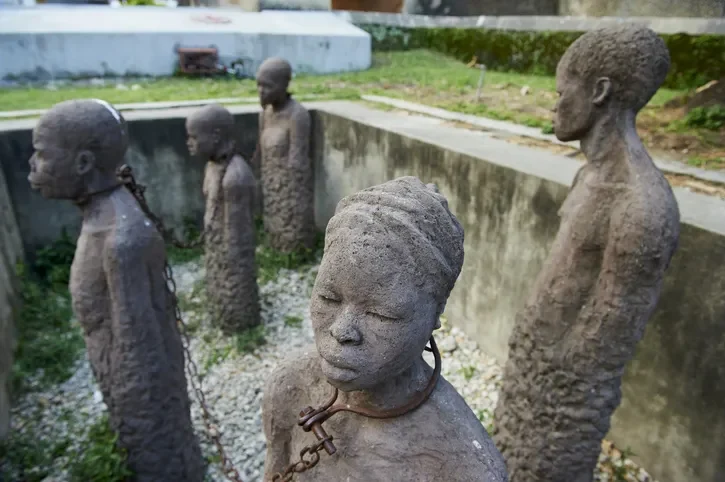
A Contentious Issue
The question of reparations for the slave trade has sparked a heated debate among Britons, with a recent YouGov poll shedding light on the deep divisions within the country. The poll, which explored public sentiment towards the UK's historical involvement in the transatlantic slave trade, revealed a stark contrast in opinions based on ethnicity.
Public Opinion and Ethnic Divide
According to the survey, six in ten Britons (60%) express opposition to the UK paying reparations to countries affected by Britain's slave trade between 1662 and 1807. This sentiment is particularly strong among white adults, with 66% opposed to reparations payments. In contrast, among black adults, a remarkable 71% are in favor of such reparations.
The divide extends to all ethnic minority adults, with 50% supporting reparations and 32% opposed. This disparity highlights the complex dynamics at play and the differing perspectives within British society.
Political Alignment and Age Factors
Interestingly, political affiliation also plays a role in shaping opinions on reparations. The YouGov data shows that only supporters of the Green Party are in favor of reparations payments, with 53% expressing support. However, within the Labour and Liberal Democrat parties, while minorities support reparations, they are outnumbered by those who oppose it.
Conversely, a significant majority of Conservative and Reform UK voters reject the idea of paying compensation for the slave trade, with 82% and 90% opposition, respectively.
Age is another factor influencing opinions, with younger Britons more divided on the issue. While 18-24 year olds are nearly evenly split, with 43% in favor and 41% against, support drops significantly among older age groups, with only 8% of those over 65 in favor.
Historical Context and Global Perspective
The poll results come in the wake of a UN General Assembly resolution declaring the trafficking of enslaved Africans as "the gravest crime against humanity" and calling for reparations. This resolution follows a visit by a Caribbean delegation advocating for payments to address the historical wrongs.
However, the survey question only probes willingness to pay reparations in principle. A UN report in 2023 recommended the UK pay nearly £19 trillion in compensation, a figure that some argue underestimates the damage caused. Such an amount, equivalent to more than six times the UK's annual GDP, would likely increase opposition when explicit costs are considered.
Perspectives and Arguments
"People who were not slaves wanting reparations and apologies from people who did not own slaves," comments one individual, expressing opposition to the idea.
Another respondent argues, "People who weren’t slave holders benefit from the vast amounts of wealth accrued by slave holders and the slave trading State before them, at the expense of descendants of the enslaved."
In contrast, a supporter of reparations suggests, "Pay reparations from a dedicated wealth tax on long-term established wealth. Normal people had no part in this. Only those still benefiting from it should pay."
The debate also touches on the legacy of the British Empire and the role of other countries in slavery and colonialism, with some arguing that Britain should not be solely held accountable.
Conclusion
The issue of reparations for the slave trade continues to be a highly contentious and emotionally charged topic in Britain. While ethnic minorities and black adults express support for reparations, the majority of the public remains opposed. The debate highlights the complex interplay of historical context, ethical considerations, and the ongoing impact of Britain's colonial past. As the conversation evolves, it will be crucial to engage in thoughtful dialogue and consider the diverse perspectives within British society.

