The UFO Disclosure Debate
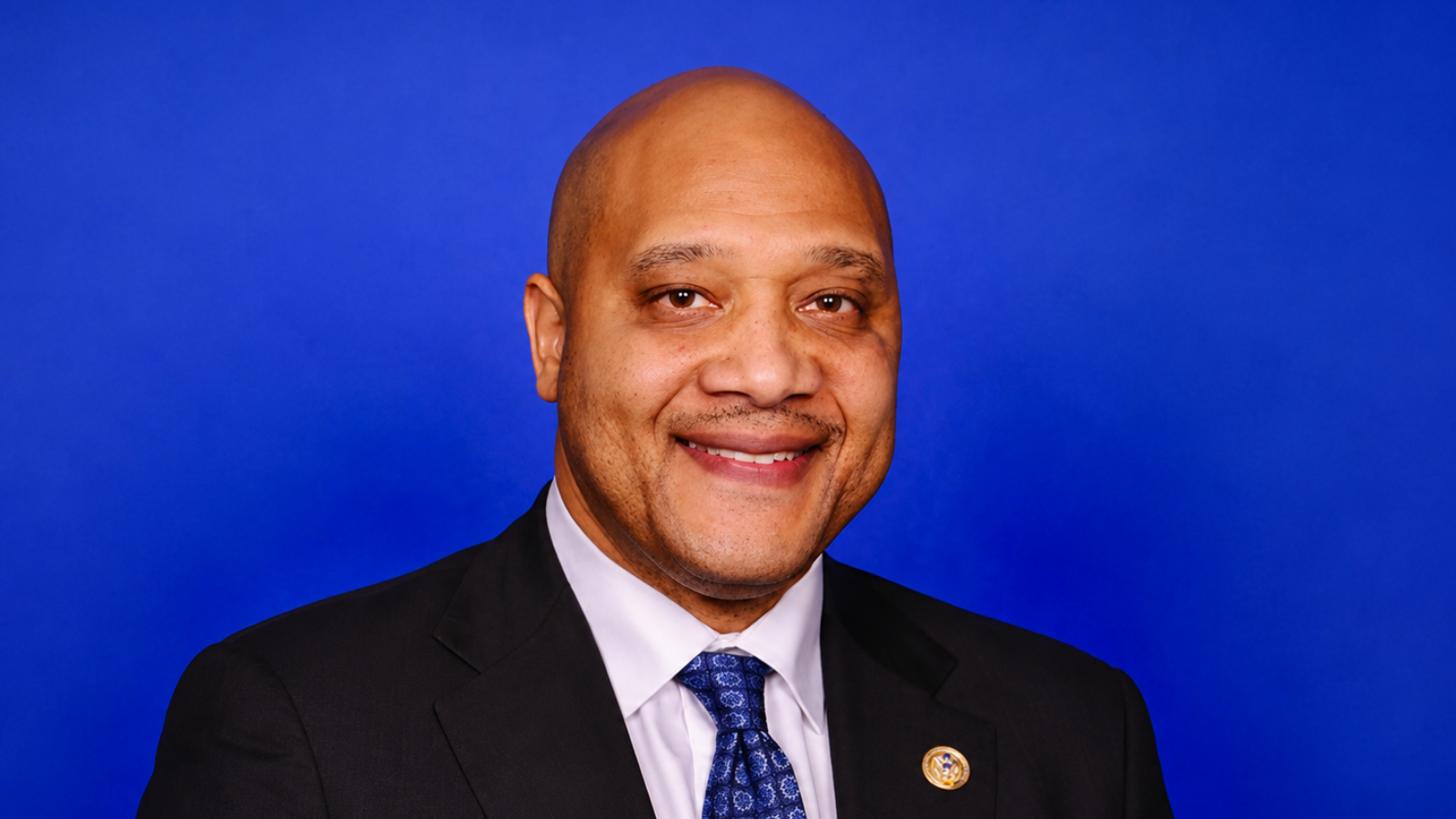
In a move that has sparked both intrigue and skepticism, Democrats are reportedly planning to establish a UFO disclosure committee in the US House of Representatives. This proposal, led by Indiana Congressman Andre Carson, aims to shed light on historical sightings and the government's handling of unidentified anomalous phenomena (UAP).
Carson, who chaired a congressional hearing on UFOs in 2022, argues that the current administration has not been transparent enough about UAP-related matters. He specifically highlights the delayed release of a key historical records report from the Department of Defense's All-Domain Anomaly Resolution Office.
"Unfortunately, the current administration has not been fully transparent on UAP... For example, the Department of Defense's All-Domain Anomaly Resolution Office... has delayed the release of a key historical UAP record report for almost two years," Carson stated.
Political Motivations and Rivalry
While the proposed committee is contingent on Democrats regaining control of the House, the interest in UAP records transcends party lines. Even former President Donald Trump directed federal agencies to identify and release UFO-related files during his administration.
However, some Republicans fear that a Democratic select committee could take credit for any disclosures, potentially overshadowing Trump's efforts. This concern underscores the political dynamics at play and the desire to control the narrative surrounding UFO revelations.
Concerns About Future Disclosure
David Grusch, a whistleblower who has appeared on Joe Rogan's podcast, expressed a different worry. He believes that a future president might be less inclined to allow the release of sensitive information, stating, "I don't trust another president."
This sentiment adds a layer of complexity to the disclosure debate, as it suggests that the timing of any potential release could be influenced by political considerations rather than a genuine desire for transparency.
Public Reaction and Priorities
The public response to the proposed committee has been mixed. Some commenters expressed frustration, prioritizing healthcare, groceries, and housing over UFO disclosure. Others defended the importance of UAP transparency, while a few skeptics questioned the likelihood of extraterrestrial life and the need for such a committee.
"I care about all of that stuff and UAP disclosure. I guess just, screw people like me, right?" one commenter wrote.
Another commenter humorously suggested, "Do the Aliens have $40 trillion we can borrow?"
Conclusion
The Democrats' UFO disclosure committee proposal has ignited a debate that goes beyond the mere existence of UFOs. It raises questions about political motivations, transparency, and the potential impact on public trust. As the midterm elections approach, the fate of this committee remains uncertain, leaving the public to speculate on the true intentions behind this controversial move.
Whether it's a strategic political maneuver or a genuine effort to bring transparency to a long-standing mystery, the UFO disclosure debate is sure to capture the attention of those who believe and those who remain skeptical.

