Nature's Unplanned Obstacle Course
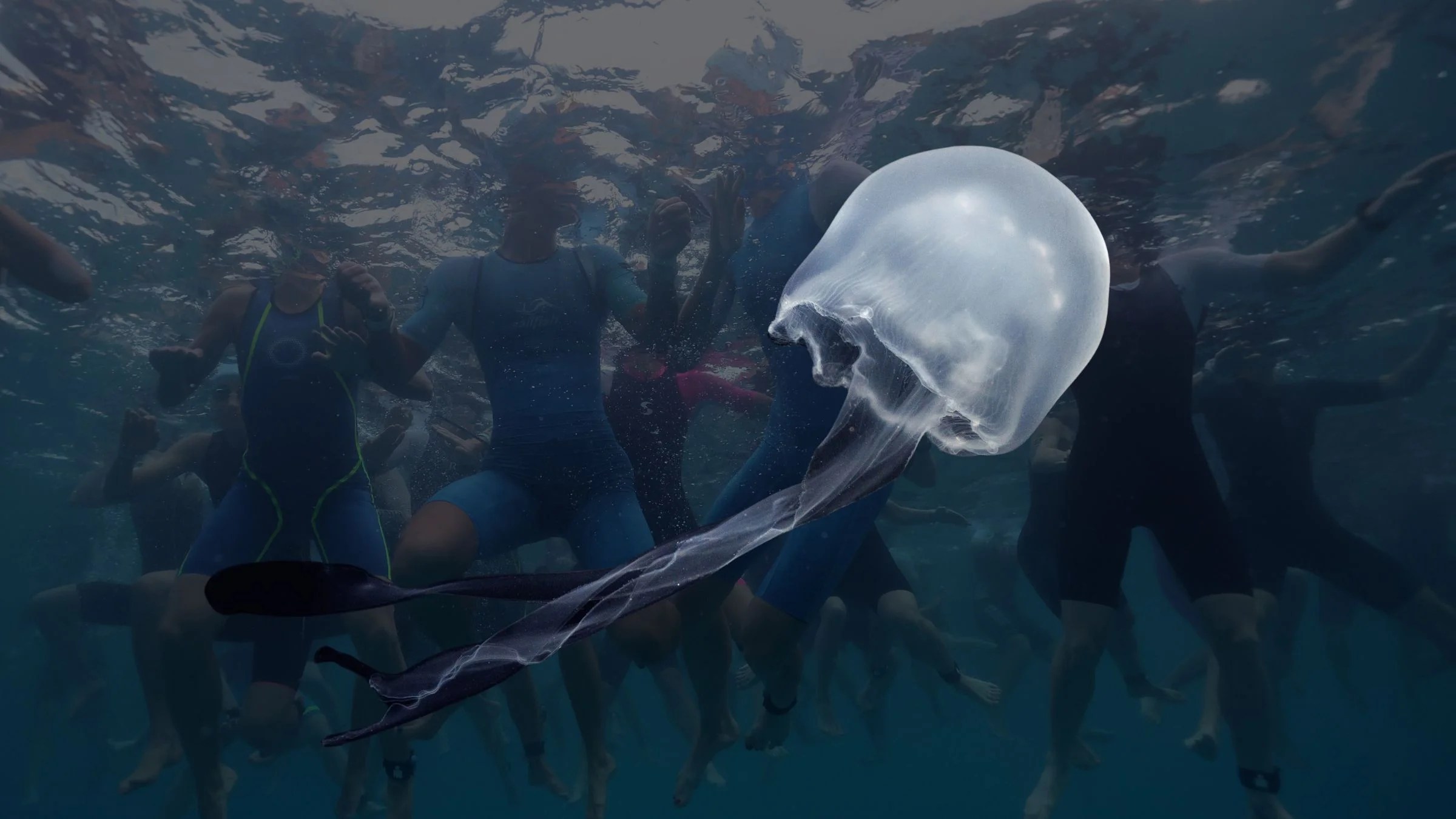
When we think about elite endurance sports like the Ironman World Championship, our minds naturally gravitate toward human limits, carbon-fiber bikes, brutal training blocks, and mental fortitude. But personally, I think we often forget that these athletes are performing in a living, breathing, and completely indifferent ecosystem. What makes this year's timing particularly fascinating is how a simple lunar cycle is colliding with one of the most meticulously planned athletic events on earth. Right as triathletes taper their mileage and visualize their race-day strategies, box jellyfish are quietly executing a biological imperative that has existed for millennia.
From my perspective, this intersection of marine biology and high-stakes sport highlights a wonderful irony. We build grand global spectacles, complete with broadcast schedules and corporate sponsorships, while deep in the ocean, a swarm of transparent invertebrates cares nothing about transition zones or personal records. One thing that immediately stands out is how this forces us to confront our place in nature. We aren't conquering the ocean during the Kona swim; we are merely temporary guests borrowing a lane in a very wild, unpredictable habitat.
The Lunar Rhythm Versus the Race Clock
What many people don't realize is that these jellyfish aren't acting out of malice or bad timing—they are simply following an ancient, hardwired calendar dictated by the dark of the moon. Roughly eight to ten days after a full moon, these creatures migrate en masse into shallow coastal waters to spawn. If you take a step back and think about it, it is a magnificent evolutionary dance, even if it happens to coincide disastrously with pre-race training swims like the Hoʻala.
This raises a deeper question about how human schedules often clash with natural rhythms. Athletes spend years preparing for a single day, mapping out heart-rate zones down to the beat, only to find their taper upended by a mass migration of stinging marine life. A detail that I find especially interesting is how climate change and overfishing are potentially amplifying these events, making dense blooms larger and more frequent than they were decades ago. What this really suggests is that even our most controlled athletic environments remain deeply vulnerable to broader ecological shifts that we are only beginning to understand.
When Resilience Meets Reality
History tells us that jellyfish encounters in Kona are not just hypothetical anomalies; they have altered the trajectories of legendary races. From elite champions like Daniela Ryf pushing through stings to secure course records, to competitors like Matt Burton suffering severe anaphylactic reactions that cut their races short, these moments remind us of the raw unpredictability of open-water racing. Personally, I find it awe-inspiring that an athlete can experience a systemic physical shock from a sting and still manage to recalibrate their mind for a grueling 140.6-mile journey.
At the same time, this brings up a vital conversation about common sense versus competitive obsession. In my opinion, the pressure to complete every scheduled training swim can sometimes cloud an athlete's better judgment. When local emergency physicians recount treating experienced swimmers whose faces swelled shut from stings, it serves as a stark reminder that no training session is worth risking your health or long-term vision. True preparation involves knowing when to step back, read the water, and respect the warnings posted on the shore.
Conclusion: Respecting the Wild Water
Ultimately, missing a practice swim because of a box jellyfish bloom isn't a catastrophe—it's just a reminder to practice adaptability. If you are racing in Kona, the physical fitness is already baked into your bones and muscles by the time October rolls around. A few missed open-water meters won't steal your hard-earned endurance. What matters most is approaching race week with open eyes, deep respect for the ocean, and the humility to realize that sometimes, nature simply needs to be given the right of way.