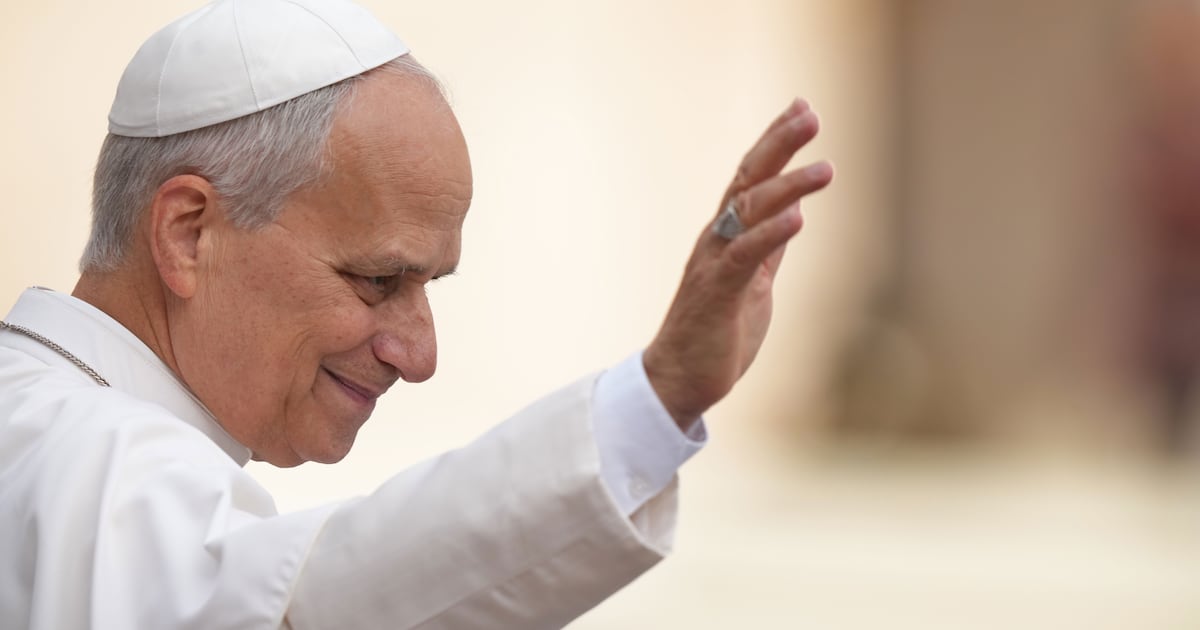
There is a profoundly unsettling weight that comes with watching the absolute pillars of global institutions face the cold, unyielding reality of human biology. Personally, I think we spend so much time viewing leaders of ancient organizations like the Papacy as symbolic fixtures of eternity that we completely forget they are made of flesh, bone, and vulnerability. When headlines flash with medical updates about the highest offices in the world, it forces a sudden, jarring shift in our collective consciousness.
What makes this particular moment so fascinating to me is how modern medical transparency collides with centuries-old tradition. Pope Leo XIV facing an upcoming surgery to remove a lung nodule is, on the surface, a routine piece of clinical news. Yet, from my perspective, it opens up a massive window into the intersection of personal mortality, institutional anxiety, and the relentless glare of the twenty-four-hour news cycle. We are left looking past the heavy ceremonial robes and realizing just how fragile the human engine truly is.
The Burden of the Office and the Body
One thing that immediately stands out when a spiritual leader faces a health hurdle is the unavoidable tension between public duty and private suffering. In my opinion, figures in these monumental roles rarely have the luxury of experiencing vulnerability in private. Every medical procedure, every cough, and every recovery period becomes a matter of geopolitical speculation and spiritual concern for over a billion people worldwide.
If you take a step back and think about it, this creates an almost impossible psychological burden for the individual wearing the title. What many people don't realize is that leadership at this level is profoundly physical; the sheer stamina required to manage global institutions while wrestling with personal health issues is staggering. A detail that I find especially interesting is how the institution itself must constantly balance transparency with stability, ensuring that medical updates do not inadvertently spark panic or destabilizing power vacuums.
The Theater of Health in Modern Leadership
What this really suggests is that health announcements involving global figures are never just about medicine. They are cultural flashpoints where society projects its deepest fears about continuity and change. Whenever a prominent leader undergoes surgery, the public reaction tends to swing wildly between empathetic well-wishes and hyper-analytical prognostications about the future.
- The medical reality: A localized physical issue requiring routine clinical intervention.
- The institutional reality: A reminder of succession planning, organizational age, and future trajectory.
- The psychological reality: A collective confrontation with the mortality of our guiding symbols.
From where I sit, we treat the physical bodies of our leaders as public property, which is both a bizarre consequence of fame and a testament to how deeply we rely on them for psychological security. We want our anchors to be indestructible, even though history constantly reminds us that they are anything but.
Looking Beyond the Hospital Room
This raises a deeper question about how modern institutions will adapt to the aging and health crises of their top leadership in the decades ahead. As medical science extends our active lifespans, the boundary between being fit to lead and managing chronic health challenges becomes increasingly blurred.
Ultimately, watching Pope Leo XIV navigate this upcoming lung surgery is a poignant reminder of our shared human condition. No amount of historical legacy, spiritual authority, or global influence can exempt anyone from the simple biology of aging. What lingers with me most is the quiet dignity required to face a surgical procedure while the entire world watches and waits. It is a humbling reminder that behind every grand title, there is simply a person hoping for a clean bill of health and a quiet recovery.